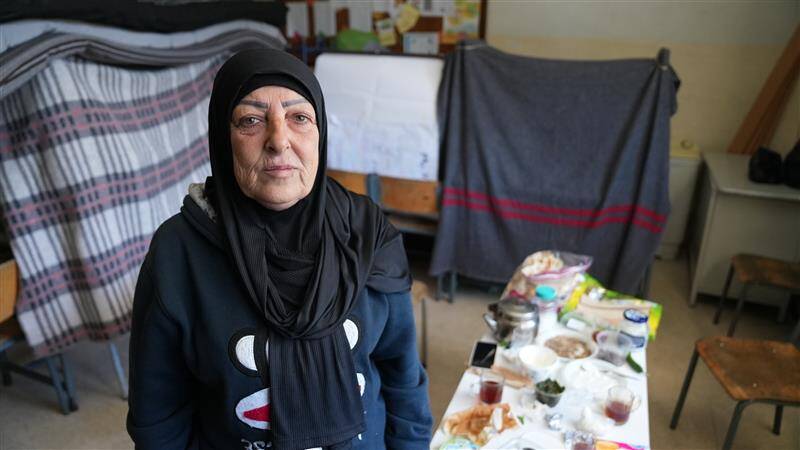
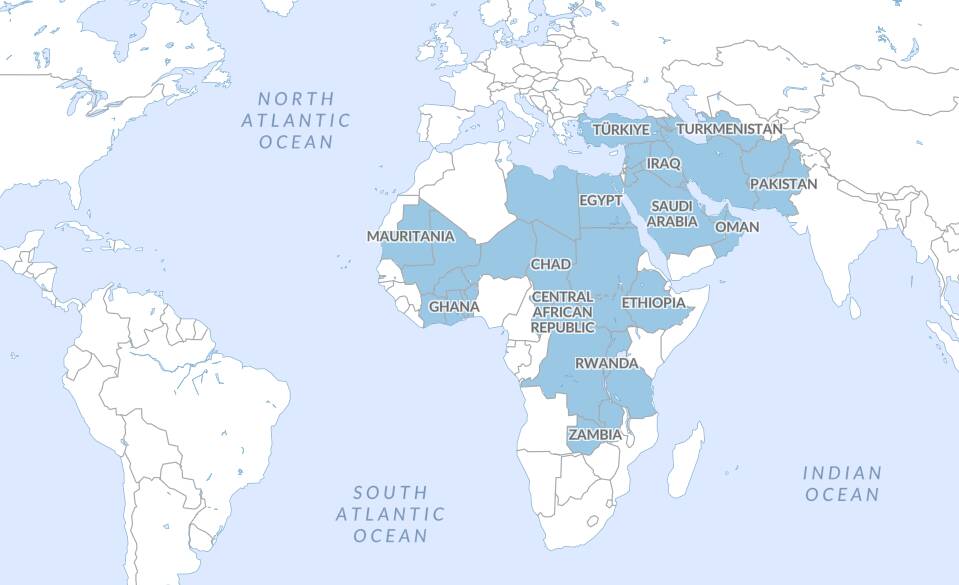
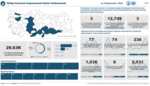
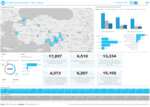
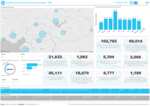
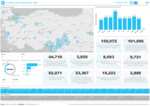
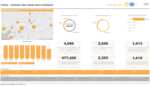
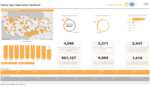
Escalating hostilities across Asia and the Middle East have led to a marked deterioration in the humanitarian situation. The affected areas already host 24.3 million forcibly displaced people, many of whom face significant protection risks and have substantial humanitarian needs, alongside vulnerable host communities. With limited funding, many countries are struggling to meet existing needs, making it increasingly difficult to absorb additional pressures and support newly displaced populations.
Against this backdrop, the escalation of hostilities since 28 February 2026 is placing increasing strain on humanitarian capacities and host communities. Protection needs are rising, alongside heightened risk of internal displacement, new cross-border outflows, and onward movements towards neighbouring countries. There is also a risk of increased returns of Afghans from neighbouring countries under adverse conditions. UNHCR is closely monitoring developments and strengthening preparedness efforts to support protection and the delivery of life-saving humanitarian assistance to affected populations across these regions.
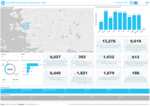
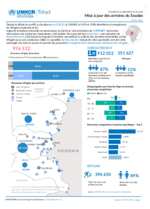
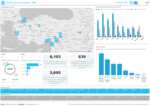
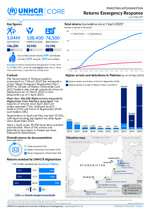
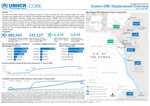
CORE is UNHCR’s enhanced information management approach to new refugee emergencies. CORE products are produced and regularly published at the beginning of a response to new or deteriorating refugee emergencies. They focus on:
1. Population movements, 2. Humanitarian need, and 3. Delivery of assistance.
CORE products are designed to become more detailed, precise, and data-centric over time.
CORE also supports coordination through the rapid and continuous external release of the latest data available. UNHCR releases CORE products for all new refugee emergencies, helping governments, UNHCR, and partners to communicate with one voice on behalf of the forcibly displaced. As an emergency operation establishes regular systems, CORE products may be replaced by standard UNHCR branded information products.
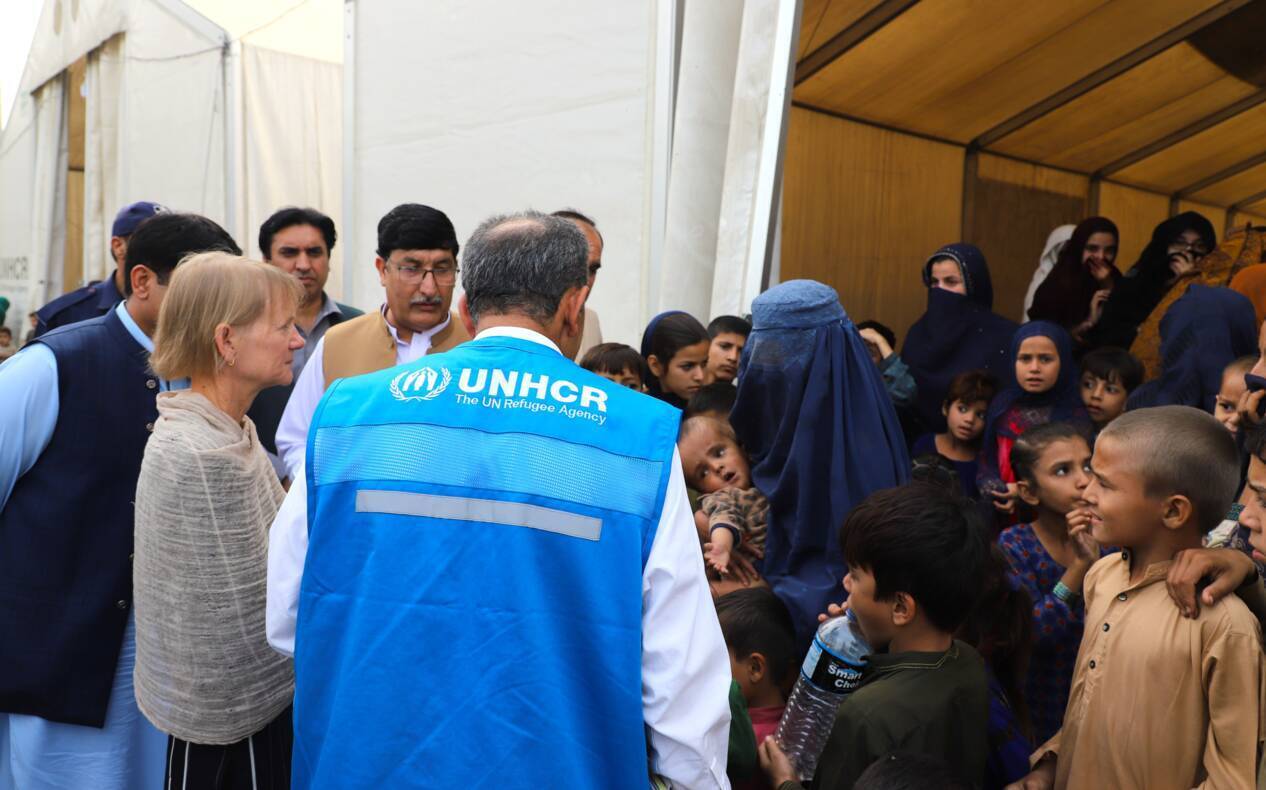
On 3 October 2023, Pakistan’s national Apex Committee endorsed a plan to repatriate over a million foreigners without valid documents, largely Afghans. Announcing the plan, Pakistan’s Minister of Interior said that an ultimatum has been issued to illegal foreigners residing in Pakistan, requiring them to leave the country by 1 November.
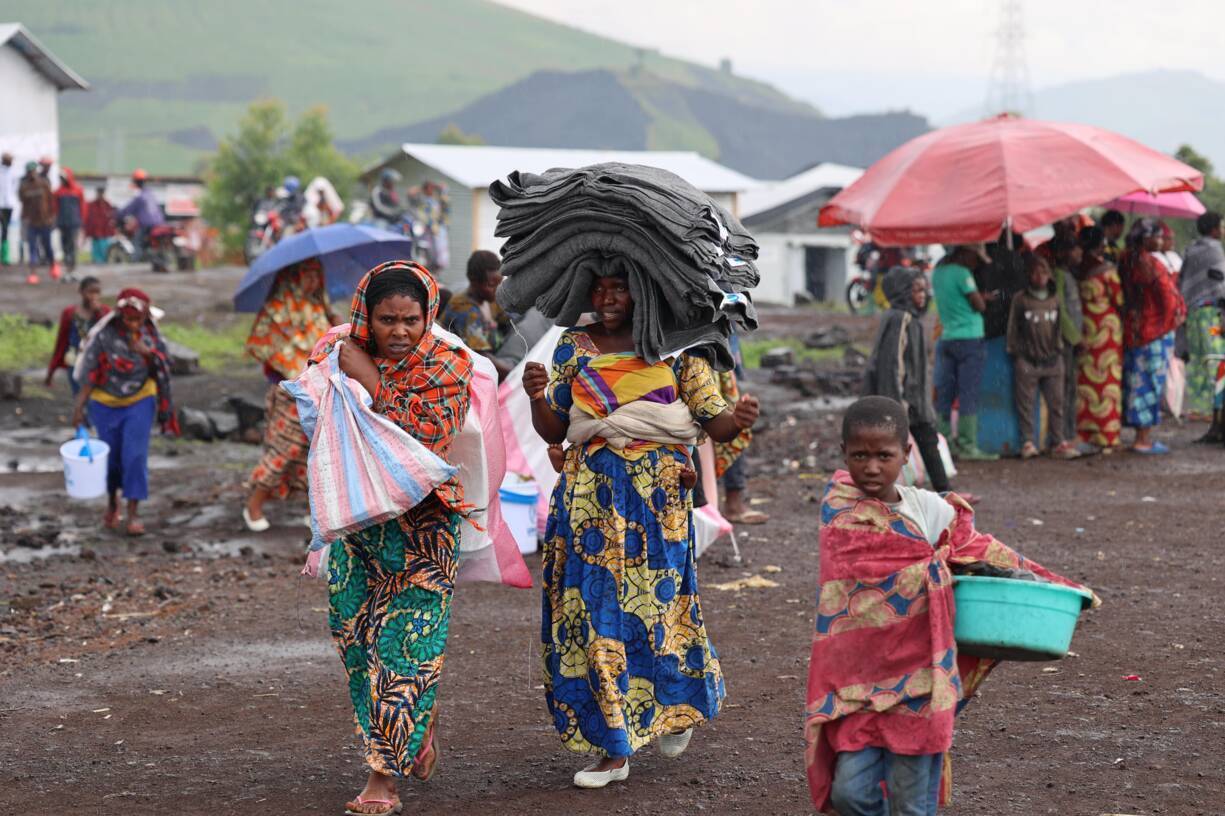
Decades of clashes between armed groups, widespread violations of human rights, and devastating incidents of gender-based violence have displaced more than 6.1 million people within the DRC.
The Route-Based Approach is a strategic, holistic, cross-border framework to assist States in responding more effectively and predictably to the challenges of mixed movements of refugees and migrants in line with their international obligations. It engages States to ensure international protection and solutions for refugees, while upholding rights and creating opportunities for migrants, along key routes. It proposes a set of comprehensive, targeted and coordinated interventions to be taken by States, UNHCR, IOM, other UN agencies, civil society partners, migrant and refugee organizations and other stakeholders, along main routes in countries of origin, asylum, transit and destination.
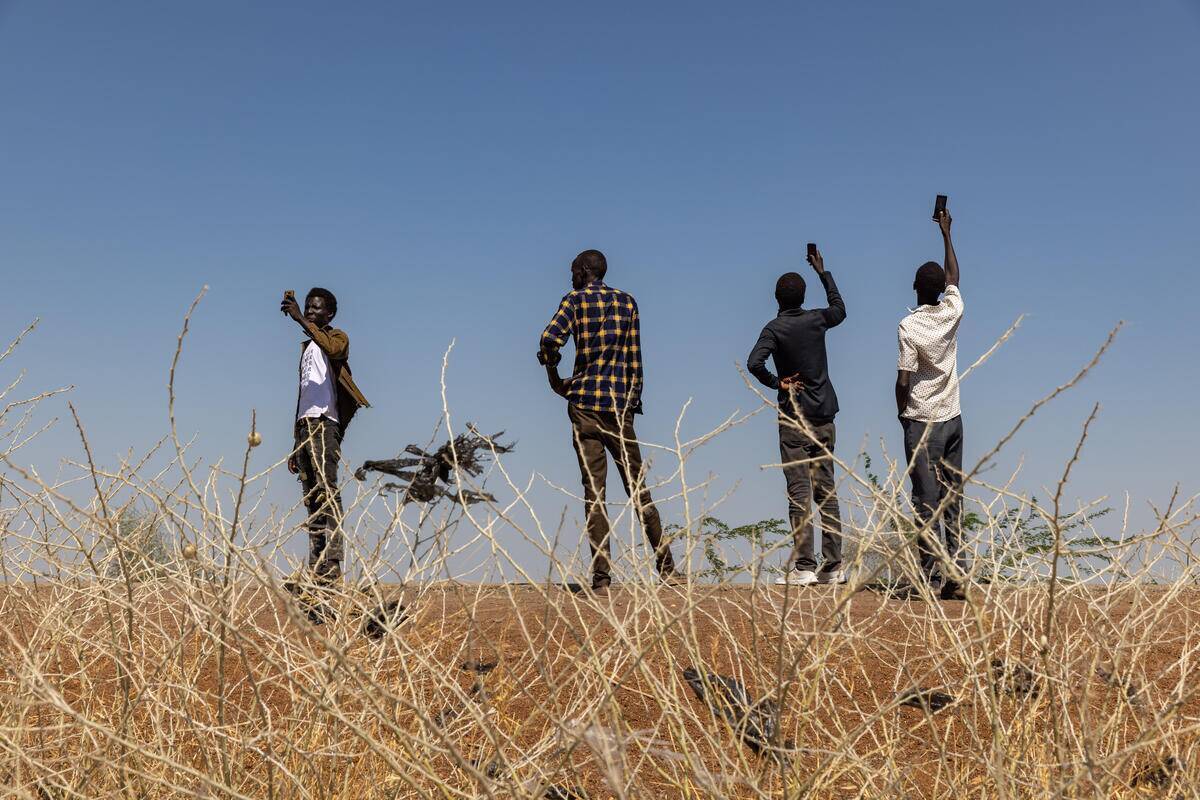
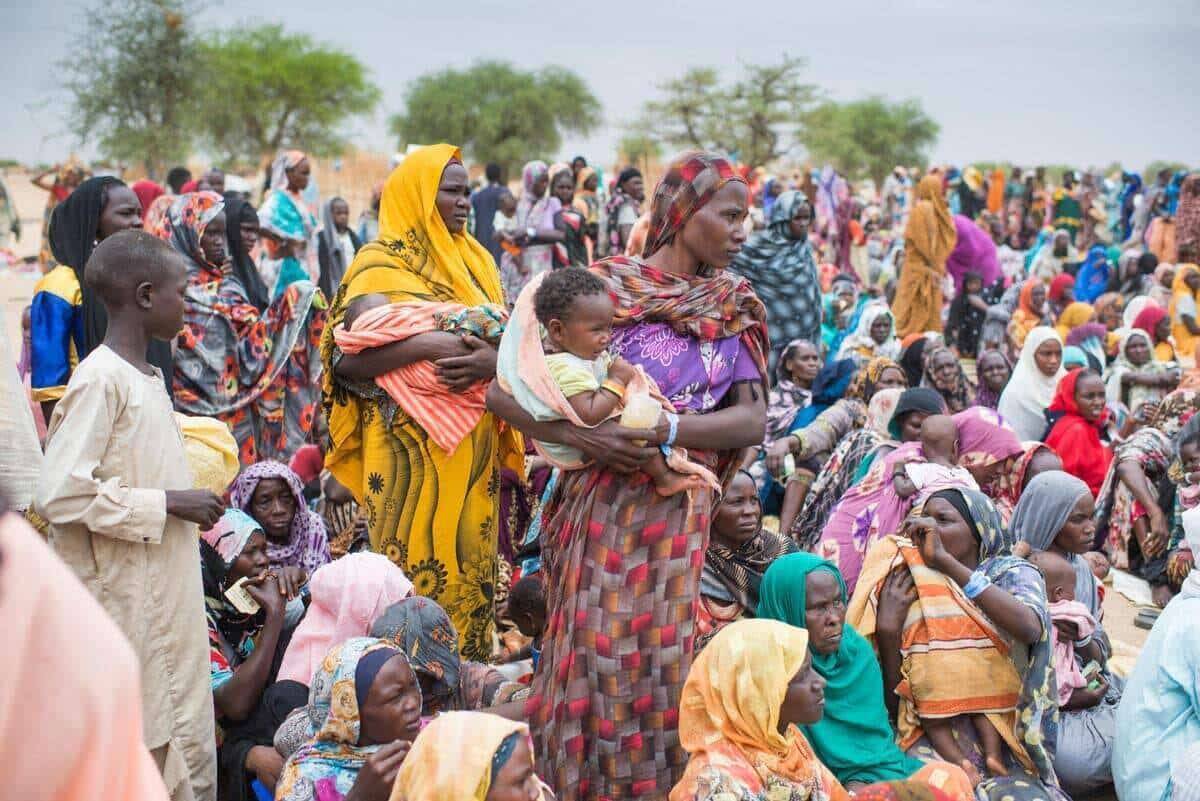
Since the start of the conflict in Sudan in mid-April, large numbers of civilians have been forced to flee, including people who were already internally displaced and refugees from other countries who had sought safety in Sudan. Hundreds of thousands of people have fled into neighbouring countries or returned home in adverse circumstances – notably to the Central African Republic, Chad, Egypt, Ethiopia and South Sudan. Others self-relocated within Sudan.
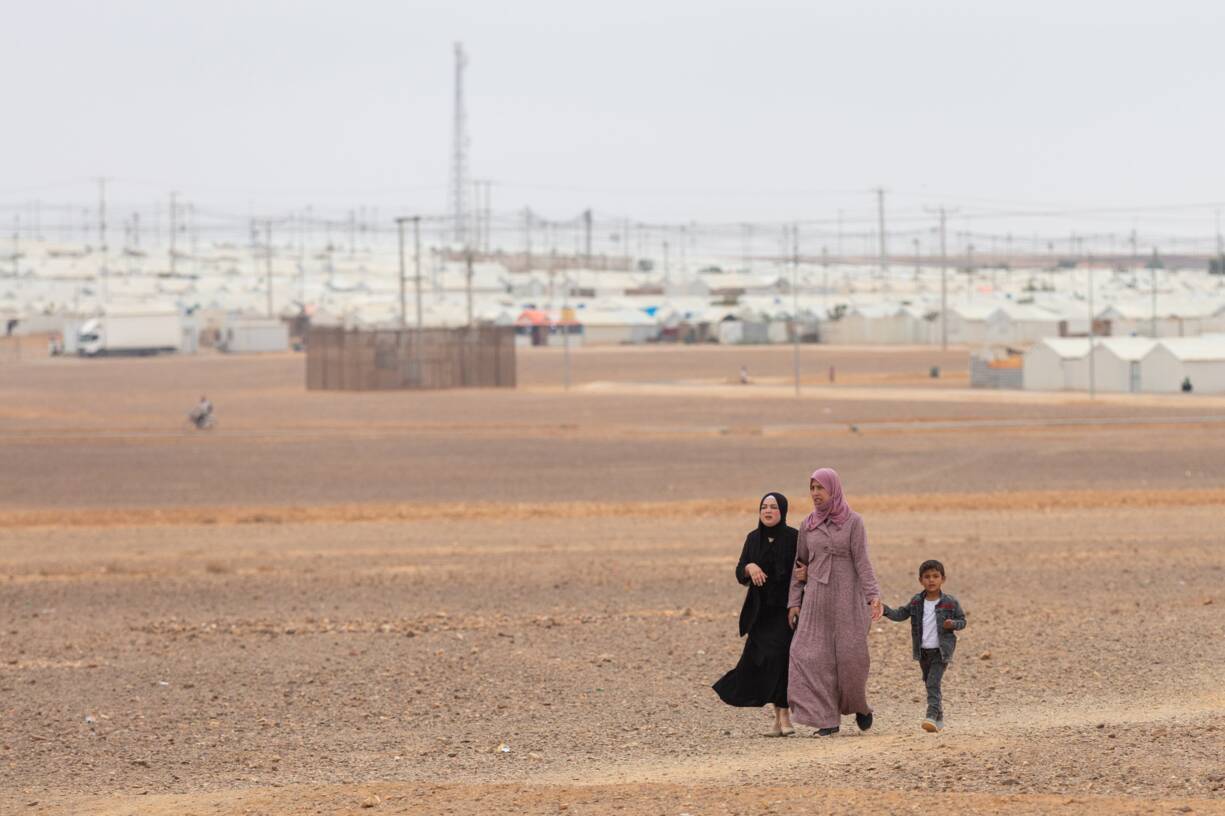
Million of Syrians, many of them displaced for over a decade, have sought refuge in Türkiye, Lebanon, Jordan, Iraq, and Egypt. The protracted nature of the conflict, which has resulted in one of the world's largest refugee crises, has strained public infrastructure and services in host countries.
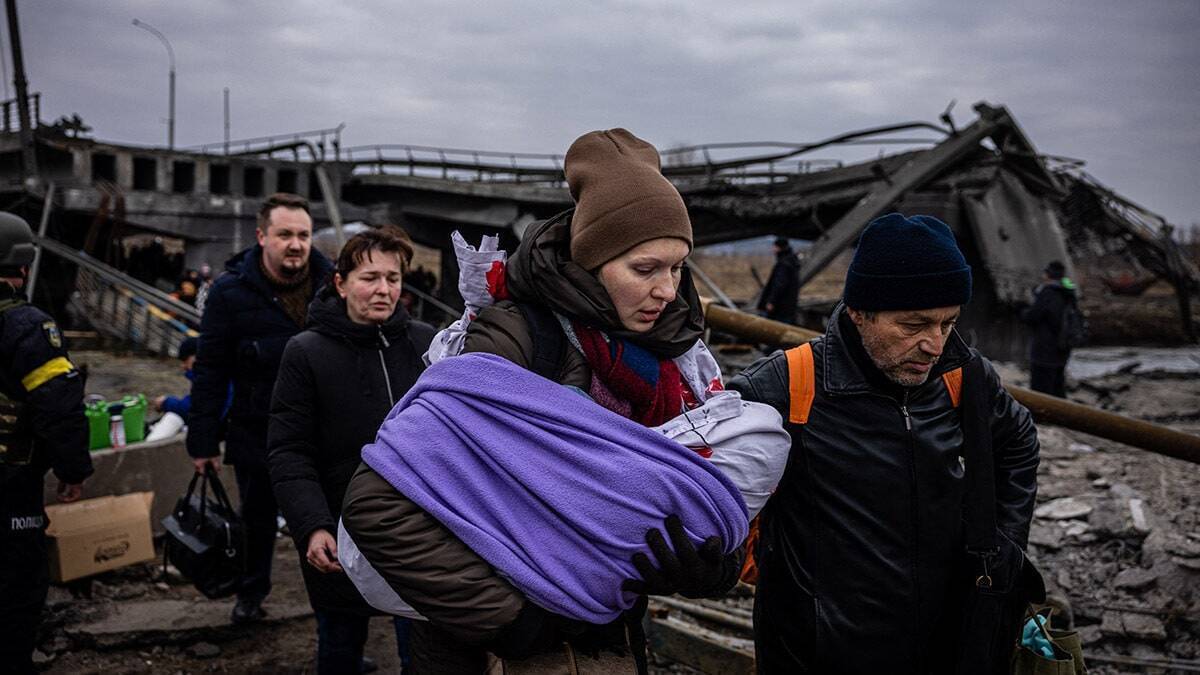
The full-scale invasion of Ukraine in February 2022 has caused massive civilian casualties and the destruction of civilian infrastructure, forcing people to flee their homes seeking safety, protection and assistance. Since February 2022, millions of refugees from Ukraine have crossed borders into neighbouring countries, and millions more have been forced to flee within the country. They are in need of protection and support. In light of the emergency and the scale of humanitarian needs, an inter-agency regional refugee response is being carried out, in support of the efforts of refugee-hosting countries. The Regional Refugee Response Plan brings together national authorities, UN agencies, NGOs, as well as civil society organisations and focuses on supporting host country governments to ensure the inclusion of refugees, with full access to their rights, in line with international standards. It also prioritizes the provision of critical protection services and humanitarian assistance.